

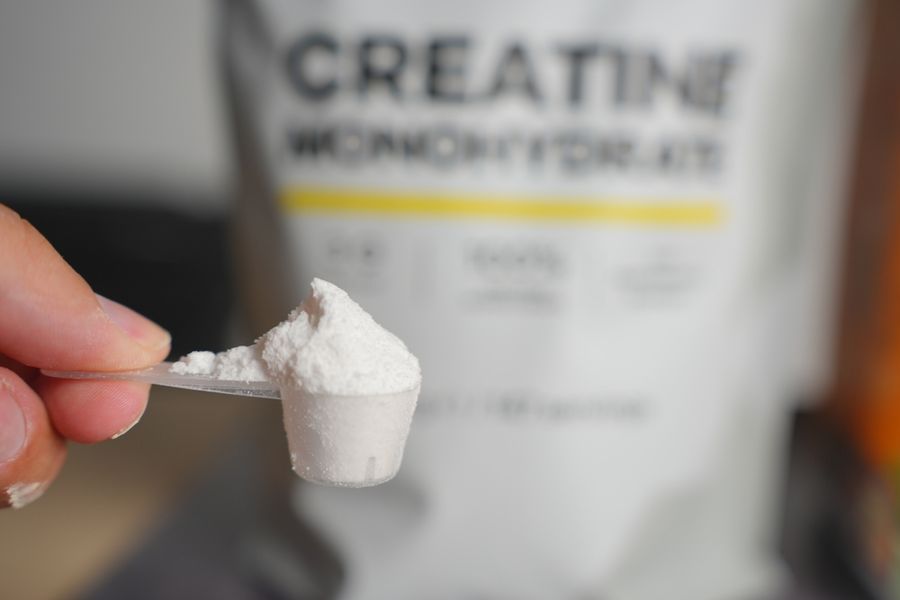
Creatine was once discussed mainly in weight rooms, where athletes used it to support power, strength, and high-intensity exercise. That reputation is changing. Researchers are now examining creatine in areas ranging from cognitive performance and healthy aging to sleep deprivation and plant-based nutrition. The broader interest makes biological sense because muscles are not the only tissues that use creatine for energy. Still, some emerging wellness claims are supported much better than others, making the evidence important to understand.
Creatine Started With a Strong Sports-Performance Foundation
Creatine is produced naturally by the body and also obtained through food, particularly animal foods. It helps supply energy by supporting the rapid regeneration of adenosine triphosphate, or ATP. Decades of research have made creatine monohydrate one of the most thoroughly studied supplements for exercise performance, particularly for repeated bursts of high-intensity activity.
That established research base helped set the stage for broader questions. Because the creatine-phosphocreatine system participates in cellular energy availability beyond skeletal muscle, scientists began investigating whether supplementation could have meaningful effects in other tissues and populations.
Brain Energy Put Cognition Into the Spotlight
The brain requires substantial amounts of energy, and creatine is present there as well as in muscle. That connection has helped make cognition one of the most prominent areas of newer creatine research.
A 2024 systematic review and meta-analysis of 16 randomized controlled trials found benefits in certain measures of memory, attention time, and processing speed. However, creatine did not significantly improve overall cognitive function or executive function, and the certainty of evidence varied considerably between outcomes.
The findings make cognitive health a legitimate research area without supporting claims that creatine is a general-purpose “brain booster.” A newer review focused specifically on adults 55 and older similarly described the evidence as promising but limited, calling for more high-quality clinical trials.
Sleep Deprivation Created Another Research Angle
Scientists have also investigated whether creatine might help when the brain is under unusually high metabolic stress. Sleep deprivation provides one such situation.
A small 2024 crossover trial found that a high single dose of creatine improved several measures of cognitive performance during 21 hours of sleep deprivation while also producing measurable changes in brain energy metabolism. The experiment attracted attention because it suggested that creatine's effects could become more noticeable when cellular energy demands are elevated.
That does not make creatine a substitute for sleep. The study involved an unusually high experimental dose under controlled conditions, so its results should not be translated into a routine strategy for compensating for inadequate rest.
Healthy Aging Expanded the Audience
Creatine's association with healthy aging has grown largely from research involving muscle preservation. Aging commonly involves losses in muscle mass and strength, making resistance training particularly important later in life. Researchers have examined whether creatine can enhance some of the adaptations produced by that training.
A recent systematic review and meta-analysis of randomized trials involving older adults found that combining creatine with resistance training produced greater improvements in lower-body strength and lean tissue mass than resistance training with placebo.
This is an important distinction: much of the stronger aging research examines creatine alongside resistance exercise, not as a replacement for physical activity. Its potential role in healthy aging is therefore better viewed as supporting an effective training program rather than providing the benefits of exercise on its own.
Plant-Based Diets Created a Different Reason for Interest
Creatine also attracts attention among vegetarians and vegans because its primary dietary sources are meat, fish, and poultry. People avoiding those foods generally consume less dietary creatine and often have lower muscle creatine stores than omnivores.
Supplementation can substantially increase those stores. A systematic review found increases in muscle creatine concentrations among vegetarians, along with improvements in several performance-related outcomes, although the studies had important methodological limitations. This has given creatine a place in conversations about plant-based nutrition that extends beyond bodybuilding.
Creatine Monohydrate Still Has the Best Track Record
Growing wellness interest has produced numerous creatine formulations and increasingly ambitious marketing claims. That does not mean newer versions are better. Creatine monohydrate remains the form underlying much of the established research on performance and the emerging research in other areas.
Supplementation can cause some weight gain, largely related to water retention, and individual health circumstances still matter. Someone with medical conditions, taking medications, pregnant, or considering supplementation for a specific health concern should discuss that decision with an appropriate healthcare professional rather than treating creatine as a disease treatment.
A Familiar Supplement With New Research Questions
Creatine's transformation from sports supplement to broader wellness topic did not happen because its original purpose disappeared. Instead, researchers began asking whether the same energy-related biology that benefits working muscle might matter elsewhere.
Evidence now supports continued investigation into cognition, aging, sleep deprivation, and populations with low dietary creatine intake. The strongest conclusions remain narrower than many wellness claims, but creatine has clearly become a research subject that extends well beyond building strength.