

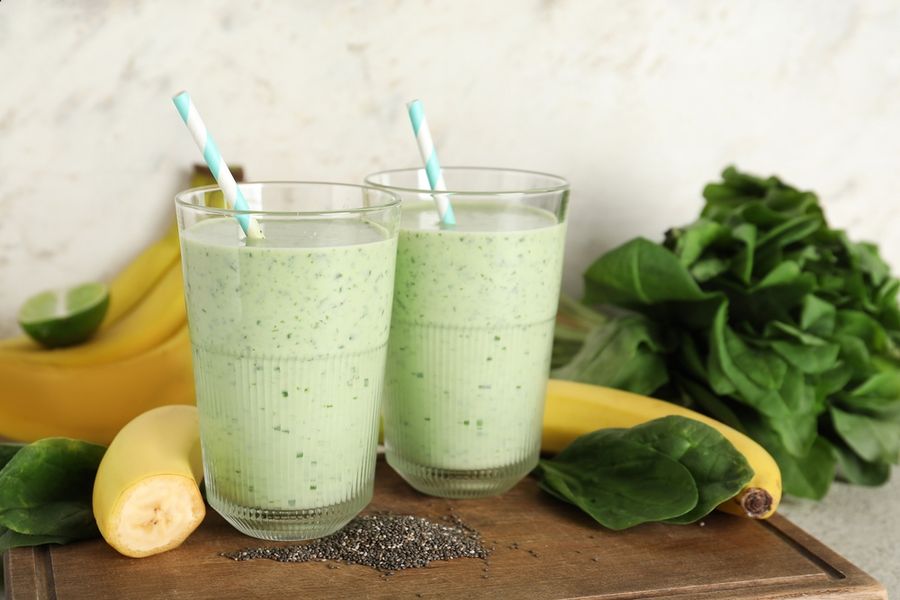
Protein and carbohydrates often dominate conversations about workout nutrition, but minerals matter too. Potassium and magnesium both contribute to processes involved in normal muscle and nerve function, making them relevant to anyone who exercises regularly. Fortunately, getting more of them does not require turning immediately to powders or supplements. Several familiar foods provide both minerals while also contributing carbohydrates, protein, fiber, or other nutrients that fit naturally into meals before and after physical activity.
Why Potassium and Magnesium Belong on the Menu
Potassium is an electrolyte involved in muscle contraction and nerve transmission. It occurs naturally in foods including bananas, potatoes, spinach, beans, milk, and yogurt, giving active adults plenty of ways to incorporate it into ordinary meals.
Magnesium also supports normal muscle and nerve function and participates in numerous processes throughout the body. Rather than obsessing over individual nutrients, a varied diet containing vegetables, fruits, legumes, dairy foods, nuts, seeds, and whole grains can supply these minerals alongside many other useful nutrients.
1. Spinach Packs Minerals Into a Versatile Green
Spinach provides both potassium and magnesium while being easy to add to meals throughout the day. Cooked spinach is particularly concentrated because the leaves shrink substantially, allowing a sizable portion to fit into a relatively small serving.
It can be folded into scrambled eggs, stirred into pasta, added to grain bowls, or served beside fish or chicken. Spinach also works in smoothies when convenience matters. Current dietary guidance on magnesium-rich foods identifies cooked spinach as one of the stronger vegetable sources and also lists potatoes, lima beans, bananas, and plain yogurt among foods that contribute magnesium.
2. Potatoes Combine Minerals With Training Fuel
A potato contributes both potassium and magnesium while also providing carbohydrates, making it particularly useful around physically demanding days. Keeping the skin on when practical also preserves more of the whole food.
Potatoes can easily become part of a substantial recovery meal rather than simply serving as a side dish. Top a baked potato with beans and plain yogurt, pair roasted potatoes with eggs at breakfast, or serve them alongside chicken, fish, tofu, or vegetables. They provide a simple way to combine carbohydrate-rich food with minerals without purchasing a specialized fitness product.
3. Lima Beans Add Plant Protein and Fiber
Lima beans bring several useful characteristics together. In addition to potassium and magnesium, they supply plant protein, fiber, and carbohydrates, making them particularly well suited to filling lunches and dinners.
Frozen lima beans require little preparation and can be stirred into soups, mixed with rice or quinoa, or added to vegetable dishes. They can also form part of a bean salad prepared ahead for busy training days. Other legumes provide similar nutritional advantages, so active adults do not have to rely on one particular variety to make beans a regular part of their diet.
4. Bananas Make the Combination Portable
Bananas are famous for potassium, but they also contribute magnesium. Their greatest fitness advantage may be less glamorous: convenience. They require no cooking, refrigeration, container, or utensils, making them easy to pack for a gym session, hike, recreational sports day, or commute.
A banana also supplies carbohydrates, so it can work as a simple pre-workout snack when a larger meal feels unnecessary. For something more substantial, pair one with yogurt, peanut butter, milk, oats, or nuts. The result adds protein or fat while keeping preparation minimal.
5. Plain Yogurt Adds Protein to the Mix
Plain yogurt provides another way to obtain both minerals while adding protein and calcium. Potassium-rich food guidance specifically identifies yogurt alongside potatoes, bananas, leafy greens, and beans, making these five foods useful examples of how potassium can come from several different food groups.
Yogurt can become breakfast with oats and fruit, a snack topped with nuts and seeds, or the base of a smoothie. After exercise, pairing it with banana or another carbohydrate source creates a simple combination of protein and carbohydrates while also bringing potassium and magnesium into the meal.
Build Better Meals Instead of Chasing Individual Minerals
An active lifestyle does not require treating every nutrient as another fitness target to calculate. Spinach works easily in cooked meals, potatoes provide minerals alongside carbohydrates, lima beans add plant protein and fiber, bananas travel almost anywhere, and yogurt fits naturally into breakfasts and snacks.
Rotating these foods through the week creates multiple opportunities to obtain potassium and magnesium while improving the variety of the overall diet. That makes everyday food a much more practical starting point than building a routine around specialized supplements.