

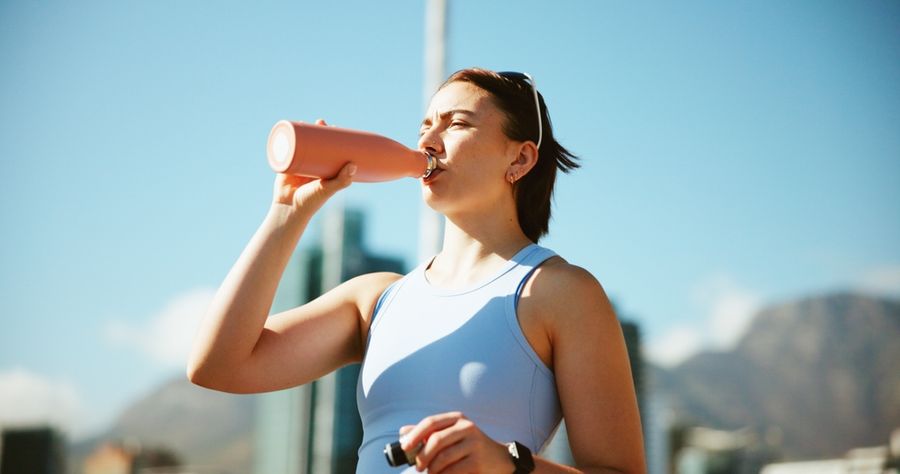
Walk into any gym or convenience store and hydration can suddenly seem complicated. Bottles and powders promise electrolytes, rapid replenishment, and better performance, while plain water remains inexpensive and readily available. For most active adults, the better choice is determined less by marketing than by workout duration, intensity, heat, and sweat loss. Understanding what disappears through sweat and when it needs replacing makes it easier to choose the right drink without turning every workout into a nutrition project.
Water Handles Most Everyday Workouts
For a typical gym session, brisk walk, recreational bike ride, or other moderate workout lasting an hour or less in normal conditions, plain water is generally sufficient for rehydration. There is usually no need to replace electrolytes with a specialized drink every time you exercise.
Water also avoids ingredients that may be unnecessary during shorter workouts, including added sugars or substantial amounts of sodium. Active adults who eat a varied diet receive electrolytes from ordinary foods as well.
Food Can Replace Electrolytes Too
Sports drinks are not the only way to replace minerals lost through sweat. After a moderate workout, a regular meal or snack can often provide sodium, potassium, and other electrolytes alongside carbohydrates and protein. Foods such as yogurt, bananas, potatoes, milk, nuts, soups, and sandwiches can all contribute to post-exercise replenishment while also supplying nutrients that a beverage may not provide.
This matters most when recovery happens soon after exercise. Someone finishing a workout shortly before lunch or dinner may have little reason to add a separate electrolyte drink if water and a balanced meal already meet their needs. Electrolyte beverages become more useful when prolonged activity, heavy sweating, or limited access to food makes rapid replacement more practical.
Longer and Hotter Workouts Change the Equation
Electrolyte drinks become more useful as exercise lasts longer or produces heavier sweating. Workouts extending beyond about 60 minutes are commonly cited as a point when a sports drink may help replace electrolytes while also providing carbohydrate energy.
Weather matters too. A hard run on a hot, humid afternoon can generate substantially more sweat than the same duration of light exercise indoors. Electrolyte drinks may therefore be useful during prolonged exercise, higher-intensity sessions, and activities performed in very hot conditions. Someone training for a marathon or spending hours cycling has different hydration demands from someone completing a 40-minute strength workout.
Sweat Takes More Than Water With It
Sweat contains water along with electrolytes, particularly sodium and chloride. Potassium, magnesium, and other minerals are also involved in normal physiological functions. Electrolytes help with processes that include fluid balance and normal nerve and muscle function.
This is why a long period of heavy sweating can call for more than simply replacing fluid. Sports drinks are designed to provide water alongside electrolytes, and many also contain carbohydrates. Those carbohydrates can supply fuel during prolonged activity, providing another reason sports drinks become more relevant as workout duration increases.
Not Every Electrolyte Drink Is a Fitness Necessity
Electrolyte drinks should not automatically replace water throughout the day simply because someone exercises regularly. Many contain considerable sodium, sugar, and calories, making them better viewed as purpose-specific products than ordinary all-day beverages.
The label can reveal whether the drink fits the activity. An endurance athlete may intentionally want both sodium and carbohydrates during a long event, whereas someone simply looking for hydration after a short workout may have little reason to consume the same formulation. For everyday activity, the simpler option is often enough.
More Fluid Is Not Always Better
Hydration advice can also go too far in the opposite direction. Drinking excessive amounts of fluid during prolonged exercise can contribute to exercise-associated hyponatremia, a dangerous condition in which blood sodium becomes abnormally diluted. Drinking according to thirst is one strategy recommended to avoid both inadequate and excessive fluid intake during exercise.
Individual sweat rates vary considerably, so active adults should also pay attention to conditions and how their bodies respond. Someone who finishes a long summer run drenched in sweat may have far greater replacement needs than someone who completes an easy indoor workout without sweating heavily.
Match the Drink to the Workout
The water-versus-electrolytes question does not require choosing one beverage forever. Plain water is the practical default for most everyday workouts, especially those lasting less than an hour. Electrolyte drinks become more useful when exercise is prolonged, intense, or performed in conditions that cause substantial sweating.
The simplest strategy is to match hydration to the demands of the session. Keep water at the center of everyday hydration, then bring in electrolytes when duration, heat, or heavy sweat loss creates a genuine reason for replacement. That approach gives sports drinks a useful role without treating them as equipment required for every trip to the gym.