

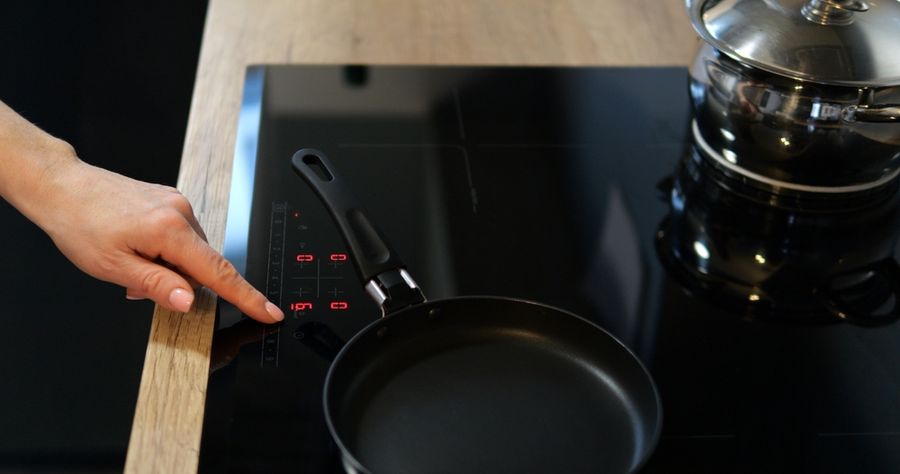
Choosing a cooktop is no longer simply a choice between gas flames and electric coils. Induction has become a serious third option, offering rapid heating, precise controls, and a smooth cooking surface without an open flame. Gas still appeals to cooks who value visible heat, while conventional electric models remain familiar and widely available. Comparing how each technology heats food, uses energy, affects indoor air, and fits into an existing kitchen reveals some meaningful differences.
Induction Takes the Lead on Speed and Efficiency
Induction cooktops create an electromagnetic field that heats compatible cookware directly rather than first heating a burner or cooking surface. The U.S. Department of Energy reports that induction can be up to three times more efficient than gas and up to 10% more efficient than conventional smooth-top electric cooking. It also cites testing in which induction boiled water 20% to 40% faster than gas and traditional electric alternatives.
ENERGY STAR has estimated cooking efficiency at approximately 85% for induction, compared with roughly 75% to 80% for electric resistance cooking and about 32% for gas. Less wasted heat can also mean less unwanted warmth escaping into the kitchen during cooking.
Gas Still Offers Familiar, Visible Control
Gas burners respond immediately when the flame is turned higher or lower, and many experienced cooks appreciate being able to judge heat visually. Gas also accepts virtually any conventional cookware, including aluminum, copper, stainless steel, cast iron, and rounded-bottom pieces that may not cooperate with some induction surfaces.
Its disadvantages become clearer when efficiency and indoor air are considered. A substantial portion of the heat produced by a gas flame escapes around the cookware rather than entering it. Combustion also produces pollutants indoors. The EPA identifies gas stoves as an indoor source of nitrogen dioxide, which can irritate the respiratory system; using an exhaust fan that vents outdoors is among its recommended ways to reduce exposure.
Conventional Electric Offers Simplicity but Slower Response
Traditional electric cooktops generally use either exposed resistance coils or heating elements beneath a smooth glass-ceramic surface. They eliminate open flames and combustion at the cooktop while working with a much broader selection of cookware than induction.
The main compromise is responsiveness. An electric element takes time to heat and retains heat after its control is lowered or switched off. That can make rapid temperature changes more difficult than with gas or induction. Smooth-top models are easy to wipe down, but spills that land on a hot surface can bake onto the glass and require additional cleaning.
Induction Provides Precise Control Without a Flame
Induction combines some characteristics people value in both competing technologies. Power changes take effect rapidly because the cookware itself is being heated, giving cooks responsive control without burning gas. Removing the pan stops the electromagnetic heating process immediately. The glass can still become hot from contact with heated cookware, but it does not generate heat in the same manner as a conventional radiant electric element.
That characteristic can also simplify cleanup. Food that splatters onto the surrounding surface is less likely to encounter the intense heat produced by an active gas burner or radiant element. Many induction models also incorporate pan detection and automatic shutoff features.
Cookware Is Induction's Biggest Practical Catch
Not every pot and pan works on an induction cooktop. The cookware needs a magnetic base that can interact with the cooktop's electromagnetic field. Cast iron and many stainless-steel pans qualify, while some aluminum, copper, glass, and nonmagnetic stainless-steel cookware does not.
There is an easy test before considering a switch: place a magnet against the bottom of the pan. If it sticks firmly, the cookware should generally work with induction, according to the Department of Energy. A household with a large collection of incompatible cookware should factor potential replacements into the decision rather than discovering the limitation after installation.
Kitchen Infrastructure Can Influence the Choice
Replacing one electric cooktop with another can be relatively straightforward when the existing electrical service meets the new appliance's requirements. Moving from gas to a full-size induction cooktop may require electrical work if an appropriate circuit is not already available. Conversely, installing gas where none exists may require a new gas connection and suitable ventilation.
Installation requirements should therefore be checked before choosing a model. Electrical capacity, countertop dimensions, ventilation, and existing utility connections can all turn an apparently simple appliance replacement into a larger kitchen project.
Induction Wins More Categories, but Gas and Electric Still Have Roles
For many households, induction now offers the strongest overall package. It heats quickly, responds rapidly to adjustments, transfers energy efficiently, avoids combustion at the cooktop, and provides a flat surface that is easy to clean. Gas remains attractive for cooks who strongly prefer flame cooking and unrestricted cookware choices, while conventional electric offers a familiar alternative without gas combustion.
Induction therefore comes out ahead on several measurable qualities, particularly speed and energy transfer. The practical question is whether compatible cookware and the necessary electrical setup are already in place. For homeowners ready to make that transition, induction has evolved from a niche technology into a compelling everyday cooking option.