

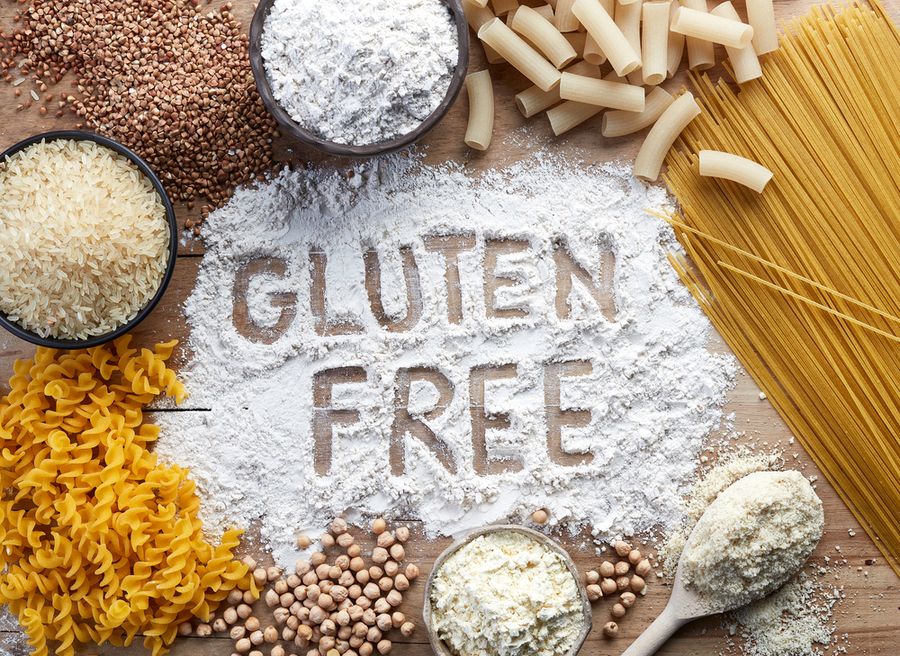
Gluten-free eating has moved far beyond the medical diets that first brought it widespread attention. Grocery stores now carry gluten-free breads, pastas, snacks, and baking mixes, while many restaurants identify gluten-free menu choices. For people with celiac disease, avoiding gluten is essential treatment. For others, the potential benefits are less certain. Understanding who genuinely needs to eliminate gluten, what improvements may follow, and what nutritional and practical tradeoffs can emerge makes the decision much easier to evaluate.
Gluten-Free Eating Is Essential for Celiac Disease
Gluten is a group of proteins naturally present in wheat, barley, and rye. In people with celiac disease, eating gluten triggers an abnormal immune reaction that damages the small intestine. Following a strict gluten-free diet allows that tissue to heal and prevents continuing damage; many people also experience substantial improvement in symptoms after eliminating gluten.
The benefits in this situation extend beyond simply feeling better after meals. Untreated celiac disease can interfere with nutrient absorption and contribute to deficiencies and other complications. For someone with a confirmed diagnosis, gluten avoidance is therefore a medical necessity rather than a wellness experiment or temporary elimination diet.
Some People Without Celiac Disease Report Benefits
Celiac disease is not the only reason someone may react poorly to wheat or gluten-containing foods. Non-celiac gluten sensitivity is used to describe people who experience symptoms associated with gluten consumption despite not having celiac disease or a wheat allergy. Reported problems can include bloating, abdominal discomfort, fatigue, or changes in bowel habits.
That does not mean removing gluten improves health for everyone. Research has not established that a gluten-free diet produces better general health or weight loss in people without celiac disease or another gluten-related condition. Cutting out gluten can also remove several foods at once, making it difficult to know whether gluten itself or another component of the previous diet was responsible for feeling better.
Get Tested Before Removing Gluten
Someone who suspects celiac disease should resist the temptation to start a gluten-free diet immediately. Celiac testing works best while gluten is still being consumed. Removing it beforehand can affect test results and make an accurate diagnosis more difficult.
This matters because a diagnosis changes how carefully gluten needs to be avoided. Someone experimenting with gluten-free eating by preference may tolerate occasional exposure, whereas a person with celiac disease needs to pay attention to ingredients, preparation practices, and cross-contact. Medical evaluation can also uncover other possible explanations for digestive symptoms rather than assuming gluten is responsible.
A Gluten-Free Diet Can Still Be Nutritionally Strong
Removing wheat, barley, and rye does not mean giving up grains or carbohydrates altogether. Rice, corn, quinoa, buckwheat, potatoes, beans, fruits, vegetables, meat, fish, eggs, dairy products, nuts, and many other foods are naturally gluten-free.
Building meals around naturally gluten-free whole foods can make the diet much simpler. Problems are more likely to arise when conventional breads, cereals, and other grain products are replaced almost entirely by highly processed gluten-free substitutes. Some gluten-free diets may provide inadequate fiber, iron, or calcium, while certain packaged gluten-free foods can contain more fat or sugar than comparable gluten-containing products.
Labels Make Shopping Easier, but They Still Matter
Packaged foods introduce another consideration because gluten can appear in less obvious ingredients or through cross-contact during manufacturing. In the United States, foods carrying claims such as “gluten-free,” “no gluten,” “free of gluten,” or “without gluten” must meet federal requirements that include having less than 20 parts per million of unavoidable gluten.
People with celiac disease still need to read labels carefully rather than assuming every food that appears naturally suitable is safe in every manufactured form. Restaurant meals can require additional questions about ingredients, shared fryers, preparation surfaces, and other potential sources of cross-contact.
Gluten-Free Does Not Automatically Mean Healthier
A gluten-free cookie remains a cookie. Removing wheat does not automatically lower sugar, increase fiber, improve nutrient density, or turn a highly processed food into a nutritious one. Likewise, someone who replaces whole-grain bread with refined gluten-free snacks could unintentionally reduce the overall quality of the diet.
For active adults, there is also no strong reason to expect gluten avoidance alone to improve fitness or athletic performance unless a gluten-related condition was previously causing symptoms or poor nutrient absorption. Training, recovery, total diet quality, sleep, and adequate energy intake remain much more important considerations.
Make the Decision for the Right Reason
Going gluten-free can produce major health benefits when gluten is genuinely causing a medical problem. It can also encourage some people to examine ingredients and discover new foods. But removing gluten without a clear reason can add dietary restrictions while reducing fiber or other nutrients if substitutions are poorly chosen.
Anyone experiencing persistent symptoms should pursue appropriate testing before changing the diet. For everyone else, the strongest nutritional strategy remains less about whether a food contains gluten and more about the quality and variety of the foods filling the plate.